The link between strategy and execution.
The idea of founding Seven Hills Architecture came from one observation: there is a gap between “the digitalisation of companies” and “AI is going to replace us”. My conviction: AI can already change teams’ day-to-day work. Where work is still manual, or depends on heavy software that connects poorly and where every change becomes a project, I design the right custom tools. AI makes it possible to imagine an automated near future, where people devote themselves to what they do better than machines: understanding, judging, deciding.
A double reading
I spent ten years leading e-commerce and digital for fashion houses, after starting out in information systems. I understand the trade because I have practised it, and I build the tool because I know how. This double reading, the P&L on one side and systems architecture on the other, turns a leadership objective into a tool used every day.
Line by line, on the P&L.
-
Revenue
A range built on data, products online sooner, replenishment set on real demand.
-
Productivity
Teams get back the time spent re-keying, chasing and consolidating. Repetitive tasks move to automations and agents; decisions stay human.
-
Cost centres
Fewer errors to fix, fewer delays, fewer stacked tools. The running cost of each solution is stated from the start.
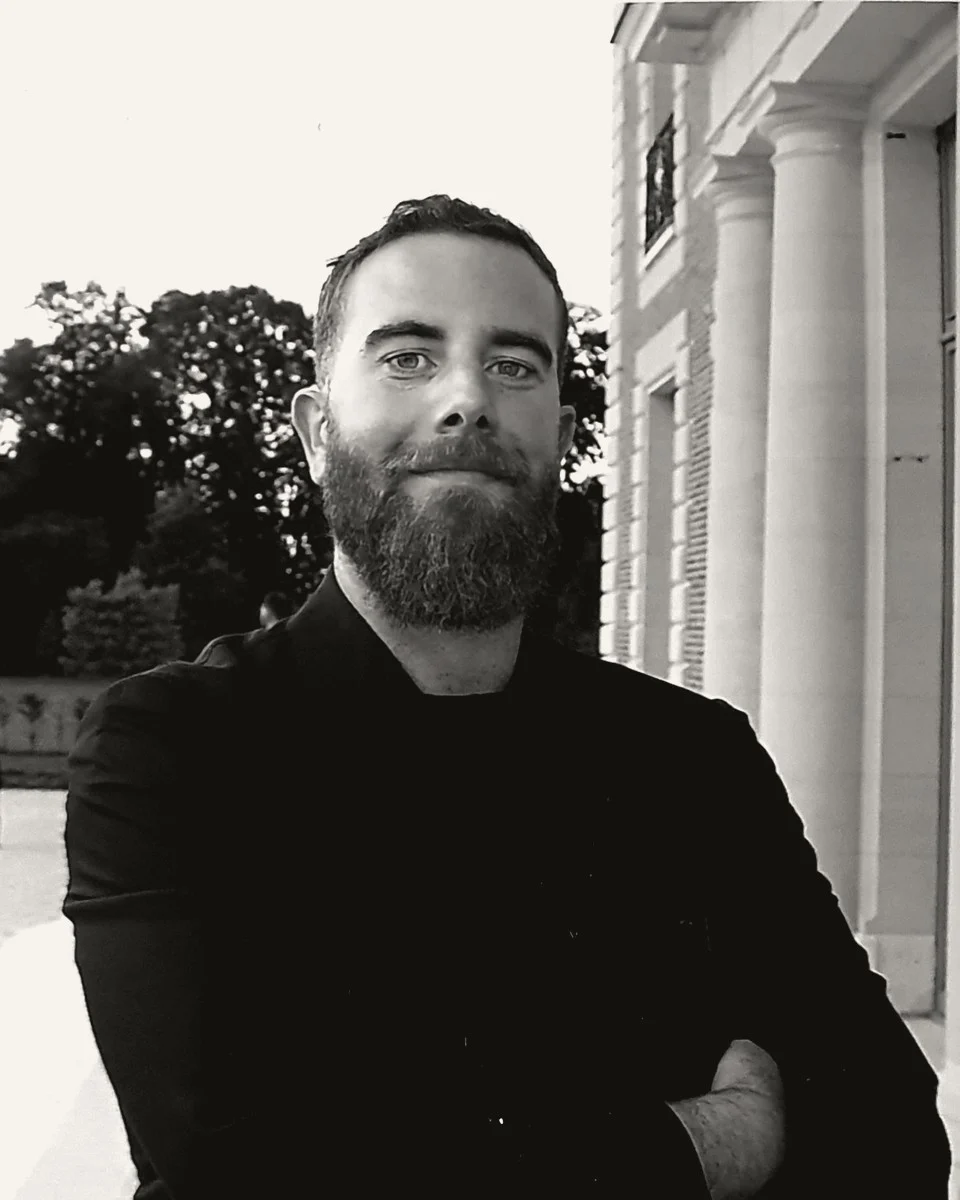
Vincent Hacquard
Founder · Seven Hills Architecture
Before founding Seven Hills Architecture, I ran e-commerce and digital for fashion brands: P&L, product range, merchandising, acquisition, CRM, customer service, supply chain. Before fashion, I co-founded a streetwear brand and a webzine, then worked on the information-systems side at AXA and Generali. My conviction: automate the task, keep the judgement.
- E-commerce and marketplaces
- Running the P&L, websites, marketplaces and department stores (Galeries Lafayette, Printemps…).
- Marketing and CRM
- Acquisition, campaigns, loyalty and customer relationship.
- Product range and supply chain
- Range building, merchandising, replenishment and channel allocation.
- Business analysis and IS
- Functional specifications and project management, at AXA and Generali.
From information systems to fashion houses, and back.
- 2026
Seven Hills Architecture
Founder
Digital firm for fashion and retail brands: automation, business software, e-commerce.
- 2023 — 2026
Vanessa Bruno
Head of E-commerce & Digital
P&L ownership, digital strategy in France and abroad, marketplaces and department stores, product offer and supply by channel. Team of 5.
- 2020 — 2023
IKKS
E-shop Manager
Commercial and marketing development, campaign launches, collection e-merchandising, UX roadmap, buying and replenishment. Team of 4.
- 2016 — 2020
Burton of London
Head of E-commerce & Digital
Marketing strategy and catalogue (2,200 products a year), digital roadmap, acquisition and CRM, e-commerce supply chain and customer service. Team of 6.
- 2014 — 2015
Generali
Business analyst (MOA)
Functional specifications for back-office tool evolutions.
- 2012 — 2014
AXA Technology Services
IT project manager
Digital infrastructure projects, as a work-study student.
- 2010 — 2015
What’s Up Agency
Co-founder
Launched a streetwear brand and a collaborative webzine.
- Master’s in Information Systems Management and Consulting — ESGI, 2014
- Bachelor’s in Computer Science — Université Paris VIII, 2012
One partner who speaks both your languages
- 01
One partner for leadership and IT
P&L, margin and sell-through on one side; APIs, data and ERP on the other, with no translation needed.
- 02
Constraints known in advance
Collection calendars, sales, marketplaces, replenishment: first-hand experience, not a workshop discovery.
- 03
From task to system
Automating a workbook or designing a PLM: the same approach, with no change of partner when the scale changes.
Describe what’s holding your teams back.
A first conversation to qualify your need. Then a scoped diagnostic: the scope, the solution, the estimate.
Discuss your projectReply within 48 business hours.